Friday, 13 March 2020

Seeing the Good in Others – The Case of South African Taxi Drivers


taxi

Being without my own transport for the past two months I to resort to daily usage of the public taxi service in South Africa – generally a Toyota HiAce certified to carry 15 passengers.

The South African taxi driver is notorious as a wild driver prone to accidents. In fact, just this morning, I was in a taxi that met up in an accident. I had not used this service with frequency since my teen years. However, the older and hopefully wiser version of yours truly now has the opportunity to look at the good in people who otherwise do not enjoy wholesome reputations.

  • Intelligence – the taxi driver is under immense pressure stopping to pick up and drop off passengers while demonstrating his wild Grand Prix skills. Yet he is carefully aware of who owes what and how much change he owes to whom. This may seem minor in the greater scheme of things, but if you have ever dealt with the average cashier in South African shops who cannot manage simple calculations without an electronic device, you would surely have to salute the computing skills of the taxi driver.

  • Charity – I have seen taxi drivers stop and give charity during trips.

  • Consideration – I have witnessed passengers saying they do not have enough fare and the driver lets them board the taxi.

  • Courtesy – Most drivers I have observed show great courtesy in dropping passengers at an exact spot most convenient to them.

  • Cleanliness – although a minority in my observation, there are those who display a fanatical desire to keep their vehicles clean. A truly marvellous feat if you examine what they accomplish and measure it against the hundreds who tread in and out of their vehicles on a daily basis.

  • Humility – I have witnessed them maintaining calm and silence when irrational rude passengers vent their anger at them. I driver slammed the door closed early as I was disembarking. My hand was trapped where the door shuts and received the full force of the door slamming. My knuckles turned black and my hand swelled. It pained for two weeks. Yet the sincerity and humility with which he apologised made it impossible to be angry with him.


I have also had opportunity to observe little Black children (generally not Muslim) walking to school and commuting with self assured independence. This is a most refreshing sight when compared to the average Muslim youth who does not seem to be capable of doing much for himself. Mummy will take me to school.

Make no mistake. I do not say that these taxi drivers are angels. I hold to whatever negatives I have alluded to. Furthermore there are other factors I have not mentioned which make the usage of this means of transport a daily inconvenience and hardship. Yet that is exactly the point I wish to drive at.

To see good in saints, scholars, parents, friends, benefactors, spouses etc is easy. To see good despite the negatives requires a concerted effort. But why bother?

On a personal level, if I harp on finding fault in others I am merely blackening my own soul and ruining my character. Actively searching for the good in others is a means of purifying myself.

On a global level, Muḥammad (صلى الله عليه و سلم) was a well-wisher unto every living person, desiring that they accept the truth and ultimately enter Paradise. I would venture that it is truly difficult to be a sincere well wisher if we allow ourselves to only see evil in people. The least good we should acknowledge is the common dignity of descent from Adam (peace be upon him) and that Muḥammad (صلى الله عليه و سلم) would have strove for his guidance if he could.

One extreme is those who actively collaborate with evil. The Sudaises of the world. The scholars who keep silent when the land of Muḥammad (صلى الله عليه و سلم) is evermore desecrated.

The other extreme is the arrogance of the religious to condemn to Hell people who are still living and about whose fate we have no idea of. I am grateful to Allāh that I am amongst the few amongst my fraternity who have spoken and written against the Satanists who rule the sacred lands. Yet it would be claiming knowledge of the unseen to act as if their fates are sealed. That they will not repent. That they will burn in Hell while I am guaranteed Paradise. Allāh knows best if the delinquent little boy who massacres Yemen as if he is playing some Play Station game might repent and attain the closest of relations with Allāh.

While I live I am obliged to hate his evil and fight it as best I can. When my life is over I am answerable for my deeds, not his. May Allāh grant us an easy reckoning.

My deeds are defective. My sins are many. I can but hope that Allāh smiles on all who held onto His religion during this time of endless tribulation and allows us to enter Paradise without any reckoning at all.

That is much for a sinner to ask for, but absolutely nothing for the Most Generous to grant.

سليمان الكندي

@sulayman_kindi

Sunday, 8 March 2020

Advice for the Cyber Muslim


cyber warrior

Muslims are taking to the internet and various social media outlets in increasing numbers. Some burn with zeal to use these tools to elevate the Word of Allāh. May He reward them and guide them. Herewith some words as a reminder which may be of benefit, Allāh Willing.


1.      Verification


عن حفص بن عاصم قال : قال رسول الله - صلى الله عليه وسلم - : كفى بالمرء كذبا أن يحدث بكل ما سمع


Allāh’s Messenger (صلى الله عليه و سلم) said, “It is sufficient lie for a man to narrate whatever he has heard.” [Muslim]

Perhaps one of the most negative effects social media has had on Muslim character is the elimination of the injunction to verify before passing on information. Our pious predecessors were extremely cautious in what they uttered, especially if it concerned religious matters.

Social media has made it possible to transmit information to many people in seconds. These people then transmit in turn, sometimes not even reading the statement in full. False information can compound and reach multitudes in seconds. Such rapid transmission without pausing for verification will inevitably include a deliberate lie from the dishonest and even errors from the sincere.

Each person who has transmitted false information, is responsible for the lie, a most heinous sin in Islām. Retractions are not as sensational as the original message and often fails to erase the false news. Any false news is a crime. It is even worse if the reputation of an innocent has been sullied. Consider the weight of transmitting a lie against Allāh and His Messenger (صلى الله عليه و سلم) which many do with a click of a button. Ask why we narrate all that we hear and see. Is our ego so fragile that it needs such an ethereal ego boost (“I sent this information out first! I know something that you do not!”) Is our carelessness in transmission without verification and our selfish egotism worth the reckoning we might face in the Divine Court?

2.      Silence


عن سماك بن حرب، قال: "قلت لجابر بن سمرة: أكنت تجالس النبي صلى الله عليه وسلم؟ قال: نعم كان طويل الصمت، قليل الضحك، وكان أصحابه ربما تناشدوا عنده الشعر والشيء من أمورهم، فيضحكون، وربما يتبسم


Jābir bin Samurah (رضي الله عنه) narrated, “He [the Prophet] (صلى الله عليه و سلم) would observe lengthy silence and not much laughter. Sometimes his companions would recite poetry amongst each other in his presence and talk about their [worldly] matters and laugh. He would merely smile at times.” [ʾAḥmad]

We are his followers. Learn to observe silence. Every one of the millions of tweets do not require a response. Engaging in every frivolous and/or false statement is a waste of time, a detriment to one’s spirituality, a disturbance to mental serenity and most importantly – it is not the way of Muḥammad (صلى الله عليه و سلم).


3.      If we must act, think first!


"إِنَّ فِيكَ خَصْلَتَيْنِ يُحِبُّهُمَا اللَّهُ.. الْحِلْمُ وَالأَنَاةُ"


ʾIbn ʿAbbās (رضي الله عنه) narrated that Allāh’s Messenger (صلى الله عليه و سلم) said to ʾAshajj, “There are indeed two such qualities within you which Allāh loves – forbearance and pausing before acting.” [Muslim]

Not only are we not obligated to reply to every issue in nano seconds, be it in the real or cyber worlds. The unseemly haste we display in clicking off a response is contrary to the spirit of the Sunnah. Logically we can understand the greater probability of errors and inappropriate words which can stem from haste. Reflection before composing a statement can save one from much regret.

4.      Balance between Activism & Spirituality


أنس بن مالك رضي الله عنه يقول جاء ثلاثة رهط إلى بيوت أزواج النبي صلى الله عليه وسلم يسألون عن عبادة النبي صلى الله عليه وسلم فلما أخبروا كأنهم تقالوها فقالوا وأين نحن من النبي صلى الله عليه وسلم قد غفر له ما تقدم من ذنبه وما تأخر قال أحدهم أما أنا فإني أصلي الليل أبدا وقال آخر أنا أصوم الدهر ولا أفطر وقال آخر أنا أعتزل النساء فلا أتزوج أبدا فجاء رسول الله صلى الله عليه وسلم إليهم فقال أنتم الذين قلتم كذا وكذا أما والله إني لأخشاكم لله وأتقاكم له لكني أصوم وأفطر وأصلي وأرقد وأتزوج النساء فمن رغب عن سنتي فليس مني


 ʾAnas narrated that the Prophet (صلى الله عليه و سلم) said, “…By Allāh! I am the most fearful amongst you of Allāh, and the most regardful of Him. Yet I fast and do not fast. I pray and I sleep. I marry women. So he who is averse to my way is not of me.” [ʾal-Bukhārī]

Building on the previous point of silence is to balance one’s activities. The Sunnah is to be balanced. A break is needed to fulfil the rights of others, one’s own body and mind and very importantly, to refresh oneself spiritually. Non-stop cyber combat and surfing is a call for hardening of the heart however good your intention may be. Cyber missionary work is no substitute the food of the soul, such as recitation of the Qurʾān, remembrance of Allāh etc.

5.      Intention


عن أمير المؤمنين أبي حفص عمر بن الخطاب رضي الله تعالى عنه قال: سمعت رسول الله صلى الله تعالى عليه وعلى آله وسلم يقول: «إنما الأعمال بالنيات


ʿUmar (رضي الله عنه) narrated that he heard Allāh’s Messenger (صلى الله عليه و سلم) saying, “Verily actions are according to intentions…” [ʾal-Bukhārī & Muslim]

Traditionally rectification of intention is often addressed first when giving advice. However, I am not addressing those who already start off with incorrect intentions. Why should such folk heed me? Frankly I do not respect scholars whose profile pictures are carefully crafted poses of themselves. One does need to be able to read hearts to see a “tread with caution” sign highlighted over such faces.

My concern is for the sincere cyber Muslim who becomes so engrossed, he does not realise that his intention has become contaminated. Thus intention is not the primary issue to be addressed, for the change comes about subtly and after a period.

The other party has enraged me during cyber combat. Is it really because he insulted my religion, or is it that he insulted me? Do I use your religion or cause as an excuse to blast him back in what is really a personal issue between two cyber toddlers?

Do I feel elated at the amount of reposts and likes my cyber material receives? Do I anxiously wait for these likes and reposts? Am I devastated when nobody gives me a like? Do I monitor my number of followers and friends like an addict? Do I check my social media first thing upon awakening and last thing before closing my eyes? Do I actually moan in public that I have few followers and make a public appeal for people to become my cyber followers?

If any of these points hits a raw nerve then I need a serious period of disengagement from the internet. How sad it will be that all that time was spent on ostensible good, but one is not rewarded. For the reality is that all that effort was for self-glorification, not worship of Allāh.

6.      Truth vs Sensationalism


من حديث كعب بن مالك الأنصاري رضي الله عنه: عن النبي صلى الله عليه وسلـم قال: «مَا ذِئْبَانِ جَائِعَانِ أُرْسِلَا فِي غَنَمٍ، بِأَفْسَدَ لَهَا مِنْ حِرْصِ الْمَرْءِ عَلَى الْمَالِ وَالشَّرَفِ لِدِينِهِ


Kaʿb bin Māik (رضي الله عنه) narrated that Allāh’s Messenger (صلى الله عليه و سلم) said, “Two hungry wolves let loose amongst goats are not as damaging as a man’s greed for wealth and status [damages] his religion.” [ʾAḥmad]

Presentation is important, but deliberate sensationalism is a conspicuous sign of insincerity and greed for name and fame. This should be obvious under the topic of intention, but the pervasive of sensationalism on social media warrants a separate mention. Ostentation is a disease which takes hold of the heart in subtle ways and destroys our rewards which we would have received in the next world. It infects both laymen and scholars.

An American scholar impressed me with the depths of his knowledge and level of service unto people. However, I started to notice him increasingly give in to promoting sensational unsubstantiated statements which he refused to retract. Ẓul Qarnayn went to Norway! Allāh have mercy. I felt it better to disengage from him.

7.      Beware of Your Company


قال : سمعت رسول الله - صلى الله عليه وسلم - يقول : الوحدة خير من جليس السوء والجليس الصالح خير من الوحدة


ʾAbū arr (رضي الله عنه) narrated that he heard Allāh’s Messenger (صلى الله عليه و سلم) saying, “Solitude is better than a companion of evil. A good companion is better than solitude.” [ʾal-Bayhaqī]

Those whom we interact with in the cyber world will affect us in outlook and spiritual development. It will also affect our other cyber companions who will get linked up to others through us. “Retweets are not an endorsement” is one of the emptiest statements ever coined. Why then did I transmit this statement? What mental condition is this that I broadcast without a stated reason? Why did I give it publicity? Has the Ḥadīth not warned me about narrating all that I hear? Why have I promoted this person amongst my companions? Have I considered that perhaps it is I who have become the companion of evil in this instance?

Then there is the issue of companions of the opposite sex. So many Muslim cyber warriors engage flirtatiously with the opposite sex on these public forums. What you do in your private space is between you and your Creator, but how shameless must you be to entice Muslims with religious content and then flirt on the same platform? If you are really going to engage in both cyber promotion of faith and less wholesome broadcasts, at least have the decency to have different platforms for them and not rub it in our faces.

The Cyber warrior must also assume responsibility for the profile pictures he retweets or replies to. I was so disappointed to be following a discussion on Ḥadīth, history and the like, when suddenly the same person replies to a female with a profile picture of herself in her bikini. How many brain cells does one need to understand the disrespect displayed to the sacred texts just quoted on the same page?

As for the sisters, why do they have to splash their faces for every stranger to ogle at? Do they not aspire to be like ʾUmm Khallād? She came running to Allāh’s Messenger (صلى الله عليه و سلم) when her son was killed. The men were surprised that she was covering her face despite her clear distressed state. She replied, “I may have lost my son. I shall never lose my modesty.” [ʾAbū Dāwūd]

8.      Address Issues not Personalities


عن عائشة رضي الله عنها قالت: كان النبي صلى الله عليه وسلم إذا بلغه عن الرجل شيء لم يقل: ما بالُ فلانٍ يقول؟ ولكن يقول: ما بالُ أقوامٍ يقولون كذا وكذا رواه أبو داود


Our Mother ʿĀʾishah (رضي الله عنها) narrated, that when the Prophet (صلى الله عليه و سلم) heard something [untoward] about a person he would not say, “What is the state of that [specific] person that he says that?” Instead he would say, “What is wrong with people that they say such things?” [ʾAbū Dāwūd]

Personalising issues detracts from the central issue and degenerates the discussion into a mud slinging match. Is there a need to even mention the name of the opponent? Are we promoting truth versus falsehood, or is it an ego contest under the cover of promoting Islām? We all have our deficiencies. It is highly immature to target the personal defects of the other party, rather than the topic of discussion. In so doing, we invite personal attacks on our own reputation which we have intentionally or not tied to the reputation of Islām. Thus Islām becomes sullied due to our childish behaviour.

وَلَا تَسُبُّوا الَّذِينَ يَدْعُونَ مِن دُونِ اللَّهِ فَيَسُبُّوا اللَّهَ عَدْوًا بِغَيْرِ عِلْمٍ


Do not revile those whom they call upon besides Allāh, for then they will revile Allāh in enmity without knowledge. [ʾal-ʾAnʿām:108]

That being said, I have diverted from this principle when I felt that there was a need. This has been the exception, not the rule in my case.  For example, I mentioned Yasir Qadhi when he saw fit to tour my country to preach his heretical doctrine that the incorrect beliefs of the Shīʿah are no greater wrong than the sin of a Muslim, they remain our brothers. The heresy which he preached is not the belief of a general body of people, but an idiocy of a specific public figure. Hence, I felt that the Sunnah of not naming people does not apply in this case. Previously I had shown the deviant, Imraan Hosein, the courtesy of this Sunnah, but I now believe that that was an error on my side. He too is a specific public figure who campaigns against the sanctity of Muslim blood and the orthodoxy of our sacred beliefs. His crimes are not personal sins which should be concealed.


9.      Choose your Role Model


لَقَدْ كَانَ لَكُمْ فِي رَسُولِ اللَّهِ أُسْوَةٌ حَسَنَةٌ


There is indeed for you in Allāh’s Messenger an excellent paragon [ʾal-ʾAḥzāb:21]

We do not live in bubbles of isolation. One way or another we consciously or subconsciously accept the influence of others. If we do not consciously model ourselves on Muḥammad (صلى الله عليه و سلم), others will fill the void and lead the way in the way in which we behave, and more importantly, the way we think.

The wise and beautiful ways of Muḥammad (صلى الله عليه و سلم), does not seem to have the status it deserves amongst the cyber ʾUmmah. Currently it seems as if the more course, derogatory and narrow minded a cyber Muslim is, the greater his following will be in certain quarters. This group seems to find ecstasy in childish abuse of others and influence others to behave the same. Not only can I not imagine Muḥammad (صلى الله عليه و سلم) behaving the way they do, but some are shamelessly deceptive and conniving. A certain hard-line Salafī will happily portray himself as a champion of the Ahlus Sunnah and bask in the attention he receives from all schools, yet his writing shows possible greater venom against Sunnīs who adhere to Taqlīd, than against the Shīʿah whom he supposedly combats. They only respond to likes and praises. When one questions their shallow arguments against fellow Sunnīs they react with the only response a person without knowledge is capable of…. Blocking, which leads me to my next point.


10. Consult the Learned


وَفَوْقَ كُلِّ ذِي عِلْمٍ عَلِيمٌ


Above every person of knowledge is one [greater] in knowledge. [Yūsuf: 76]

As accomplished as one may be, a certain field may not be yours to comment on. Even if one has a certain grasp of a subject, it is dangerous to comment with limited knowledge and insufficient overview of the religious sciences and facts. Instead of offering an unsubstantiated opinion on every matter, rather consult the learned and continuously tread the path of learning.

Some cyber Muslims had a good laugh at a Salafī fatwā on camel urine. While the perspective of the Cyber warriors is certainly backed by strong juristic views, there are also contrary views from great classical giants of Islām, who are not part of the Salafī tradition. By going on a mocking rampage, such enthusiasts with limited knowledge, actually mock ʾAʾimmah of Islām, and indirectly mock the Ḥadīth from which these scholars drew their rulings.

Our ʾAʾimmah were noted for saying, “I do not know.” In particular, ʾImam Mālik, was noted for such humility. How fortunate we would be to have but one percent of his humility.

11. The ʾUmmah is Global, Circumstances are Local


وَمَا أَرْسَلْنَا مِن رَّسُولٍ إِلَّا بِلِسَانِ قَوْمِهِ لِيُبَيِّنَ لَهُمْ


And We have not sent a messenger except with the tongue of his own people to clarify for them. [ʾIbrāhīm: 4]

As universal as Islām is in its message, and as much as the world has become a global village, Islām has never imposed a single megalithic system over all adherents in regards secondary non-categorical rulings. It is most unseemly that we sit at our technological interface of choice and judge Muslims from far off lands based on our culture, mores, school, circumstances and understanding. Pause before judging. If you feel it is any of your business, then find out their rationale. Their actions may in fact be within the ambit of Islām, while our judgemental dogmatism may be at fault.


سليمان الكندي

@sulayman_kindi

Tuesday, 7 January 2020

Dajjāl The Anti-Christ & Social Media

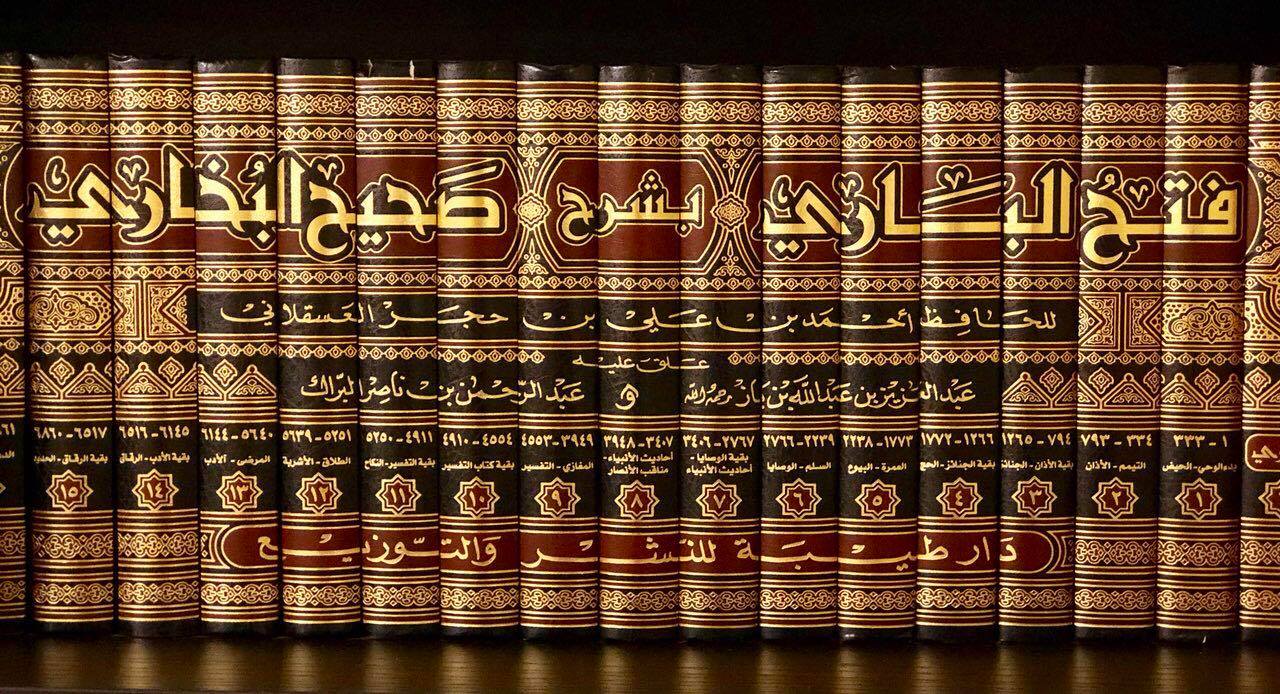
Fathul_Bari_bisyarhi_Shahih_al-Bukhari_Imam_Khairul_Annas.JPG

The purpose of this article is not to add to the treasure of knowledge people already possess on Dajjāl (the Anti-Christ), but to add some words of context to recent developments in which Muslims demonstrate a penchant to be easily swayed by media but will not budge from narrow personal positions.

Netflix seems to have spurred a flurry of commentary on Dajjāl. I do not condemn this spate of activity in itself, for most seem to simply have a desire to inform and sort out fact from fiction. Nevertheless I do confess that I am not at ease at how easily the media and these platforms lead Muslims in a particular direction.

If the media directs our attention to China for example, one notices a drop in fund raising, sermons, publications and social media commentary etc on other Muslims who might be suffering even more. I do not belittle the plight of the Uighur Muslims in this example, but surely you would agree that something is wrong if we can so easily be manipulated, or allow ourselves to be diverted.

Sometimes it is not even two tragedies which compete for our attention, but I have witnessed how greatly Muslims were concerned during a bombardment of Ghazzah, and the very next day, all that it took to capture the attention of these concerned Muslims was a cricket match.

Similarly I have to ponder over the state of the Muslims if a continuous effort of centuries of books and sermons warning us of the greatest tribulation in the history of mankind have less impact than a Netflix movie (or series, I am not sure which it is). To spell it out, the comments and concern are in their place, and even meritorious, just as collecting for the Uighurs instead of the Rohingya remains a good deed, but consider this… if such ephemeral media so easily gets you going and the words of the pious scholars have had minimal effect of your life, what is going to happen when the actual tribulation of the Anti-Christ manifests? Who do you think will be controlling the media at that stage?

Another concern I have when reading these commentaries, is the sad lack of balance in many commentaries. This is symptomatic of the academic intolerance amongst Muslims and the belief that an opinion becomes absolute fact. It has become beneath the dignity of the contemporary Muslim to offer any sort of disclaimer that he offers an opinion on a matter about which there is discussion and different interpretations. Instead, statements are made as if they are categoric declarations of Allāh and His Messenger (salutations and peace be upon him) without contextualising certain issues. Thus one writer falls into this trap and contradicts himself. Dajjāl has simultaneously been on earth for over 14 centuries, yet will be no more than 30 years of age when he makes his debut.


Points I wish to Highlight in regards Dajjāl


There exists sufficient material that respected reader can access to revise or learn about the Anti-Christ. I have nothing of extraordinary value to add. I however wish to point out certain matters which seem to be missing in current commentaries on social media. If someone else has in fact addressed these issues, pardon my arrogant assumptions, I am merely addressing what I see, and am not painting all with the same brush.

  • The narrations on Dajjāl and end times in general are varied and not always explicit. To arrange these narrations in definite order and meaning which might or might not be what Allāh’s Messenger (ṣallallāhu ʿalayhi wa sallam) intended is audacity of the highest order. Scholars of the past offered opinions and guidance and were humble enough to state where they were coming from.

  • There is not only one Dajjāl. The Musnad of Imām ʾAḥmad, amongst others, clearly mention, “There will be in my ʾummah thirty Dajjāls, great liars…” Scholars have interpreted this to possibly mean that there will be many lesser deceivers who will precede the final major Anti-Christ.

  • Some narrations may therefore refer to a minor Dajjāl and some to the major Dajjāl. Giants amongst the scholars of the past have differed in their interpretation as to whether a certain narration refers to a minor deceiver or the major Dajjāl. When we ignore the multiplicity of deceivers; the imprecision in narrations; and the respectful arguments amongst the scholars of the past; we end up with contradictions like a 30 year old 14 centuries old beast.

  • Some people who have more Hollywood between their ears than brains, perennially spew images (probably photoshopped) of babies with one eye in the centre of the forehead, cyclops style. Dajjāl is one-eyed in the sense of having one intact eye. He will have two eyes. The one will be blotted.

  • The narration which ʾIbn Ḥajar ʾal-ʿAsqalānī mentions in Fatḥ ʾal-Bārī in regards the three stages of Dajjāl might not be unanimously accepted, but I feel it is something which Muslims should be alert to in these days of deception. Dajjāl will first present himself as a champion of the Muslims. He will be so persuasive, even the pious will believe him to be good. He will have two normal eyes at this stage. Later he will claim to be a prophet. Finally he will claim divinity, at which stage his one eye will be blotted.


سليمان الكندي

@sulayman_kindi


Monday, 30 December 2019

Israelite Narrations - Approach with Caution

ورواه البخاري من حديث عبد الله بن عمرو بلفظ: "بلغوا عني ولو آية، وحدثوا عن بني إسرائيل ولا حرج، ومن كذب علي متعمداً، فليتبوأ مقعده من النار".


“Convey from me, even if it be a single verse. Narrate from the Children of Israel, there is no harm. He who intentionally lies against me should prepare his resting place in the Fire.” [ʾal-Bukhārī]


Allāh’s Messenger (صلى الله عليه و سلم) has clearly allowed us to narrate from the Children of Israel. To deny that would be to contradict him. At the same time, this permission is not a license to spread falsehood, and worse, to believe narrations which contradict the Qurʾān, whether explicitly or in spirit. This should be clear, not only in general principle, but from the very narration which grants permission in the first place. For if it is prohibited to lie against Allāh’s Messenger (صلى الله عليه و سلم), how much more so to lie against Allāh’s Word?

Muslims are accepting and circulating narrations which they should not, not only through traditional causes of interaction with Christians and Jews, but of increasing concern is the immature use of social media and the effects of movies and television. I would like to say that parents have a special responsibility towards their children in these avenues, but often it is the “adults” who worse criminals in spreading falsehood in religion.

Here are some issues and narrations which are of concern but are by no means a complete list. Some are serious negations of Islamic belief; some are to set the record straight. In either case, truth is a valuable commodity which a believer cannot compromise on.


Lucifer & Angels


Television increasingly promotes three perceptions.

  1. The Christian belief that Satan was originally an angel.

  2. The Christian belief that Satan and other angels rebelled against God.

  3. The illuminati agenda that Satan is misunderstood and wishes well for mankind. In fact, he wishes to illuminate us and is the good guy.


The Christian belief that Satan was originally an angel.


Islām divides the intellectual creation into three categories – angels who are created from light, Jinn who are created from fire and humans who are created from earth. (Note that I used “intellectual” in the loose metaphysical sense, as one wonders in regards the intellectual capacity of some folk one encounters.)

While Satan (then called ʾAzāzīl) did reside amongst the angels, the Qurʾān is quite explicit that he is Jinnī, not an angel.

وَإِذْ قُلْنَا لِلْمَلَائِكَةِ اسْجُدُوا لِآدَمَ فَسَجَدُوا إِلَّا إِبْلِيسَ كَانَ مِنَ الْجِنِّ فَفَسَقَ عَنْ أَمْرِ رَبِّهِ ۗ أَفَتَتَّخِذُونَهُ وَذُرِّيَّتَهُ أَوْلِيَاءَ مِن دُونِي وَهُمْ لَكُمْ عَدُوٌّ ۚ بِئْسَ لِلظَّالِمِينَ بَدَلًا


And [mention] when We said to the angels, "Prostrate to Adam," and they prostrated, but not Iblīs. He was of the Jinn and departed from the command of his Lord. Will you then take him and his descendants as allies other than Me while they are enemies to you? What an evil exchange it is for the wrongdoers! [ʾal-Kahf: 50]

This distinction between angel and jinnī will be important when we reach the next point.


The Christian belief that Satan and other angels rebelled against God.


Satan did rebel against ʾAllāh, as is clear from the above Verse. The Verse however clarifies that he was not an angel. Not a single angel joined Satan in his rebellion against ʿAllāh, as the Christians believe, and as Hollywood embellishes. An angel cannot disobey, let alone rebel. There are no “fallen angels”.


يَا أَيُّهَا الَّذِينَ آمَنُوا قُوا أَنفُسَكُمْ وَأَهْلِيكُمْ نَارًا وَقُودُهَا النَّاسُ وَالْحِجَارَةُ عَلَيْهَا مَلَائِكَةٌ غِلَاظٌ شِدَادٌ لَّا يَعْصُونَ اللَّهَ مَا أَمَرَهُمْ وَيَفْعَلُونَ مَا يُؤْمَرُونَ


O you who believe! Save yourselves and your families from a Fire whose fuel is people and stones. Over it are [appointed] angels, harsh and severe; they do not disobey Allah in what He commands them but do what they are commanded. [ʾat-Taḥrīm: 6]

If we do accept that Satan’s hosts are fallen angels, then who are in his armies? Satanists are both Jinn descendants of Satan as mentioned in ʾal-Kahf, as well as human supporters as mentioned in the following verse.

وَكَذَٰلِكَ جَعَلْنَا لِكُلِّ نَبِيٍّ عَدُوًّا شَيَاطِينَ الْإِنسِ وَالْجِنِّ


Thus We have made for every prophet an enemy – devils from both humans and jinn… [ʾal-ʾAnʿām: 112]


Humans and Jinn have the capacity to rebel and disbelief, not angels. Regular readers will know that I make no bones in calling out the Saʿūd regime as Satanist. Satan must be proud of the wars they wage against ʾIslām and the Muslims.

Some may ask, that if angels do not fall, what then of the Qurʾān mentioning the angels Hārūt and Mārūt? The discussion cannot be dealt with in an academic fashion here, but these points should suffice for our purpose:

  • The additional narrations of the angels becoming human-like in feeling and giving in to temptation are not in the Qurʾān.

  • These narrations are not universally accepted.

  • Even if accepted, firstly the angels were said to be given human feeling. Thus this specific transformed pair cannot be the criteria for judging angels in general their natural state.

  • There is a world of a distinction of a specific angel being given human feelings and falling into error due to weakness, as opposed to intentionally rebelling against ʾAllāh.

  • Furthermore a sin in a single act, does not equate to complete rebellion and denying ʾAllāh.

The illuminati agenda that Satan is misunderstood and wishes well for mankind. In fact, he wishes to illuminate us and is the good guy.

This may seem laughable, but it should really worry the believer how this ubiquitously this concept is being promoted especially on television and Hollywood. What one may think is mere entertainment is  a subtle erosion of one’s faith. ʾAllāh knows best if such eroded faith can withstand the test of the Anti-Christ who may soon appear in this world. At the very least one should understand that one’s “entertainment” calls the Qurʾān a lie:

إِنَّ الشَّيْطَانَ لَكُمْ عَدُوٌّ فَاتَّخِذُوهُ عَدُوًّا ۚ إِنَّمَا يَدْعُو حِزْبَهُ لِيَكُونُوا مِنْ أَصْحَابِ السَّعِيرِ


Indeed, Satan is an enemy to you; so take him as an enemy. He only invites his party to be among the companions of the Blaze. [ʾal-Fāṭir: 6]

While the illuminati idea is the one which is overtly projected, the idea of him not being evil has a parallel in Israelite literature which we should know has no basis in ʿIslām:

 
According to Torah, no spiritual force opposes G‑d. This includes Satan, who is a spiritual entity that faithfully carries out its divinely assigned task of trying to seduce people to stumble. Satan is also identified with the Prosecutor above — that's what the word Satan itself means: it's just Hebrew for prosecutor — who levels charges against the guilty party who succumbs to its wily arguments. Look in the beginning chapter of the Book of Job and you'll see that clearly.

In fact, the Talmud says, all that Satan does, he does for the sake of heaven. Without him, the defense attorney wouldn't bother to dig up all the merits of the defense. And the defense would have to try so hard to give himself more merits.

So you see that really nothing happens in the entire world without G‑d approving. That's why we Jews have so many complaints to him that we need to talk to him three times a day. The buck really stops at His office.

Finally, when the Divine Court decides that someone, G‑d forbid, deserves to die, then Satan is dispatched from Above to carry out the sentence

Rabbi Eliezer Danzinger for Chabad.org


Prophets are Sinless in ʿIslām


Predating Hollywood’s Lucifer-good-guy agenda are reproductions of Biblical stories of the Prophets. The disgraceful depictions of the Prophets perhaps set the stage for the disrespectful way some Muslims talk of religious matters and personalities. However, it must be conceded that many of the accusations Hollywood levelled against the sinless Prophets (peace be upon them all) are extracted from the Bible directly or from other Israelite narrations.

The list of Israelite accusations against the Prophets are too lengthy and downright horrifying to list in toto. I shall list some, but the aim here is to make Muslims aware that they should take care with narrating Israelite narrations. There is no need in this article to address each accusation. We believe the Prophets to be sinless and whoever has concocted these tales is indeed the filthiest wretch imaginable:

  • Lot had sex with his daughters [Genesis 19:30-38]

  • Noah was sodomised by his son or grandson [Rabbinical interpretation of Genesis 9:22]

  • Solomon worshipped idols [1 Kings 1:5]

  • David committed adultery with a married woman, impregnated her and engineered her husband’s death [2 Samuel 11]

  • Jacob cheated his brother out of his inheritance [Genesis 27]

  • Etc


Adam, Peace be upon Him


There are three basic points I wish to discuss. Two are in regards Israelite narrations, and the third is a western myth Muslims believe, with no basis in even Israelite narrations.

There was no sin

Our father did not sin but committed an error of forgetfulness. There is thus no concept of “original sin”

وَلَقَدْ عَهِدْنَا إِلَىٰ آدَمَ مِن قَبْلُ فَنَسِيَ وَلَمْ نَجِدْ لَهُ عَزْمًا


And We had already taken a promise from Adam before, but he forgot; and We found not in him determination. [Ṭāhā: 115]

Our noble Parents were not prancing around naked in Paradise

فَلَمَّا ذَاقَا الشَّجَرَةَ بَدَتْ لَهُمَا سَوْآتُهُمَا


…when they tasted of the tree their shameful parts became exposed to them.. [ʾal-ʿArāf: 22]

The commentaries are clear that ʾAllāh had granted them garments of Paradise. These were removed when they tasted of the tree. Marriage, sexual propriety and modesty were some of the institutions implemented before humans even set foot on earth.

We do not know what Tree


The Qurʾān only mentions tree. Even the Bible does not specify “apple”. European artists took a liking to depicting the tree as an apple tree. The apple story is not even a Christian belief, let alone something Muslims should be repeating.


Birthplace of Jesus, Peace be upon Him

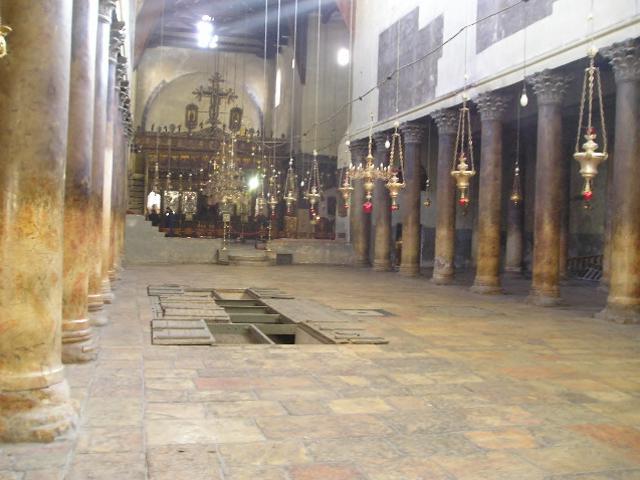
Bethlehem_Church_of_the_Nativity_main_nave

Some well-meaning Muslim publicise pictures of the Church of the Nativity, where Jesus (peace be upon him) was born below according to Christian tradition. I do not know how valid this belief is for even Christians, since their texts merely mention "a grotto" and construction of the church over a grotto began in 327.

I regret not having been able to get hold of a scholar who had visited Palestine and the Palestinian scholars had explained why they reject the site as implausible for various reasons. Nevertheless, it should be sufficient for any Muslim to understand that the setting which the Qurʾān describes of the birth of Jesus, is one of an open remote land, with a date tree and stream. This is not the stable in the little underground grotto in a city which the Christians believe in and which Muslims happily spread on social media.

The matter may appear to be minor in the greater scheme of things, and but would a Muslim who fears ʾAllāh call any of this minor?

  • disseminating information without verification;

  • spreading information because its sensational, not because its authentic;

  • scholars who publish without verification and thus contradict the Qurʾān;

  • scholars who narrate whatever will seem popular, never mind the veracity;

  • dismal lack of scholastic effort amongst Muslims;

  • telling a lie, however small;

  • if you are so susceptible to anything you hear, what will happen when your faith is really put to the test?

I shall conclude with what ʾAllāh says in Sūrah Maryam in regards Jesus’s birthplace, not the Israelite narrations and not social media. Let ʾAllāh be our reference point always.


فَحَمَلَتْهُ فَانتَبَذَتْ بِهِ مَكَانًا قَصِيًّا (22) فَأَجَاءَهَا الْمَخَاضُ إِلَىٰ جِذْعِ النَّخْلَةِ قَالَتْ يَا لَيْتَنِي مِتُّ قَبْلَ هَٰذَا وَكُنتُ نَسْيًا مَّنسِيًّا (23) فَنَادَاهَا مِن تَحْتِهَا أَلَّا تَحْزَنِي قَدْ جَعَلَ رَبُّكِ تَحْتَكِ سَرِيًّا (24) وَهُزِّي إِلَيْكِ بِجِذْعِ النَّخْلَةِ تُسَاقِطْ عَلَيْكِ رُطَبًا جَنِيًّا (25) فَكُلِي وَاشْرَبِي وَقَرِّي عَيْنًا ۖ فَإِمَّا تَرَيِنَّ مِنَ الْبَشَرِ أَحَدًا فَقُولِي إِنِّي نَذَرْتُ لِلرَّحْمَٰنِ صَوْمًا فَلَنْ أُكَلِّمَ الْيَوْمَ إِنسِيًّا (26) فَأَتَتْ بِهِ قَوْمَهَا تَحْمِلُهُ ۖ قَالُوا يَا مَرْيَمُ لَقَدْ جِئْتِ شَيْئًا فَرِيًّا (27)


(22) So she conceived him, and she withdrew with him to a remote place.

(23) And the pains of childbirth drove her to the trunk of a palm tree. She said, "Oh, I wish I had died before this and was in oblivion, forgotten."

(24) But he called her from below her, "Do not grieve; your Lord has provided beneath you a stream.

(25) And shake toward you the trunk of the palm tree; it will drop upon you ripe, fresh dates.

(26) So eat and drink and be contented. And if you see from among humanity anyone, say, 'Indeed, I have vowed to the Most Merciful abstention, so I will not speak today to [any] man.' "

(27) Then she brought him to her people, carrying him. They said, "O Mary, you have certainly done a thing unprecedented.


سليمان الكندي

@sulayman_kindi

Monday, 23 September 2019

Syria in Islam is not the Syrian Republic

Post my article Allāh’s Creation of ʾaṭ-Ṭāʾif Negates Satanic Saʿūdī Policy, I received the following correspondence:
JazakAllahu khayr for writing about this! If you would, please help us readers better understand why at times the region is referred to as "Palestine" and at others as "Jordan" and "Syria."

Also, do you know if people warn each other and take extra care to avoid defiling the house by using the "toilet?" Inshaallah people are aware and inshaallah they avoid it.

The second question refers to the Saʿūdī regime turning the home of our Mother, Khadījah (رضي الله عنها) into a toilet.

Reply


1. Syria in Islām


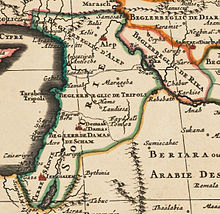
It should first be noted that the modern Syrian republic is a relatively recent construct of French colonialism. Historically Syria or ʾash-Shām includes a much vaster area. The historical and Islāmic Syria includes the lands of Palestine, Jordan, Lebanon and border areas of Turkey (Antioch) and Arabia (Tabūk). The below map indicates the true area of historical Syria. This is what Islāmic texts have referred to as Syria for centuries, going back to Roman times. Bear in mind however, that exact borders covering every inch of the map is also a relatively new concept of the past two centuries of human history. Historically borders were grey, undefined regions, not exact lines.


220px-Syria,-detail-from-Ottoman-Empire-_by_Jaillot

Thus Palestine and Jordan are regions within Syria. In regards the commentary on the origin of ʾāṭ-Ṭāʾif, it is agreed that it originated from historical Syria. Specifically which area of Syria though? There are differing opinions on that. Some support the view of the Palestine region within Syria, others advocate the Jordan region, east of Palestine, which is also part of Syria.

It may also be noted that Muslims have also used the term Palestine throughout our history, despite it being a region within Syria. This can be seen for example in the Qurʾān commentary cited in the āṭ-Ṭāʾif article. Zionists lie and claim that as we used the term Syria to include Palestine, we never had a concept of Palestine before. This lie is the same as claiming that as Americans use the term USA, they have no concept of Virginia.

It is important for a Muslim to understand the correct definition of Syria on at least four different levels:

  1. When the Qurʾān speaks of the land blessed around ʾal-ʾAqṣā, it covers all of Syria, e.g. ʾal-ʾIsrā: 1.

  2. Ḥadīth which refer to the virtues or past events of Syria are not specific to the modern republic, e.g.


Zayd bin Ṭhābit (رضي الله عنه) narrates that Allāh’s Messenger (صلى الله عليه و سلم) exclaimed, “Congratulations to Syria!” “Why is that, O Messenger of Allāh?” we asked. He replied, “The angels of the Most Merciful spread their wings over her.” [ʾat-Tirmiẓī]

  1. Islāmic history refers to the Syria of Allāh’s Messenger (صلى الله عليه و سلم), not the Damascus region only, e.g. ʿUmar (رضي الله عنه) appointing Muʿāwiyāh (رضي الله عنه) governor over Syria.

  2. Perhaps most importantly, in that there may be practical manifestation during our lifetime, is that the Ḥadīth refers to future events of the utmost significance which will transpire in Syria, e.g. the coming of Dajjāl and the armies of ʿĪsā (عليه السلام). Thus knowing the true definition of Syria as opposed to the colonial construct is vital.


2. Using the House of our Mother, Khadījah (رضي الله عنها) as a toilet


I am not aware of anyone ruling that this is prohibited. After all, the original noble inhabitants of the house must have engaged in mundane human activities themselves. We cannot prohibit people from something when there is no clear ruling on the matter. Prohibition is the sole right of Allāh. Especially in this age of ignorance, some may react inappropriately should we seek to warn them. They may even utter words of disrespect which may harm their faith. This is in terms of the letter of the law.

I raised the incident of the "toilet" as an example of the Satanic Saʿūd regime destroying the spirit of Islām. I cannot imagine that any Muslim who has love and respect for Allāh’s Messenger (صلى الله عليه و سلم) and his beloved wife, would feel at ease defiling a place so associated with such lofty personalities, who should be more beloved to us than our own parents. Such feeling is based on love, irrespective what the law permits or prohibits.

ذَٰلِكَ وَمَن يُعَظِّمْ شَعَائِرَ اللَّهِ فَإِنَّهَا مِن تَقْوَى الْقُلُوبِ


That [is so]. And whoever honours the symbols of Allah - indeed, it is from the piety of hearts. [ʾal-ajj :32]

I would certainly inform people of the truth, especially those who might appreciate such knowledge. What they choose to do with that knowledge is up to them.

That being said, there is no doubt that intentional disrespect to Allāh’s Messenger (صلى الله عليه و سلم), whether in word or deed, is not a mere prohibition, but a cause for expulsion from Islām. Allāh knows best what lurks in the heart, but the most charitable statement that can be said of the Satanic House of Saʿūd is that history testifies to their continuous and vile assaults upon the memory of Allāh’s Messenger (صلى الله عليه و سلم). Are they intentionally disrespectful hypocrites and apostates? Allāh knows best. Should their filthy presence be removed from the sacred cities? I pray from the bottom of my heart for that blessed day.

سليمان الكندي

@sulayman_kindi


Friday, 20 September 2019

Allāh’s Creation of ʾaṭ-Ṭāʾif Negates Satanic Saʿūdī Policy

{‏وَإِذْ قَالَ إِبْرَاهِيمُ رَبِّ اجْعَلْ هَذَا بَلَدًا آَمِنًا وَارْزُقْ أَهْلَهُ مِنَ الثَّمَرَاتِ مَنْ آَمَنَ مِنْهُمْ بِاللَّهِ وَالْيَوْمِ الْآَخِرِ قَالَ وَمَنْ كَفَرَ فَأُمَتِّعُهُ قَلِيلًا ثُمَّ أَضْطَرُّهُ إِلَى عَذَابِ النَّارِ وَبِئْسَ الْمَصِيرُ


And [mention] when Abraham said, "My Lord, make this a secure city and provide its people from the fruits - whoever of them believes in Allah and the Last Day." [Allah] said, "And whoever disbelieves - I will grant him enjoyment for a little; then I will force him to the punishment of the Fire, and wretched is the destination." [ʾal-Baqarah: 126]

This verse contains the supplication of ʾIbrāhīm (عليه السلام) for the prosperity of Makkah. It troubled him that the area was utterly barren and unable to sustain his future descendants.  The commentators of the Qurʾān describe how Allāh created the area where the town of ʾaṭ-Ṭāʾif would be founded, as a response to this supplication.  For example, ʾal-ʾAlūsī (رحمه الله) mentions:


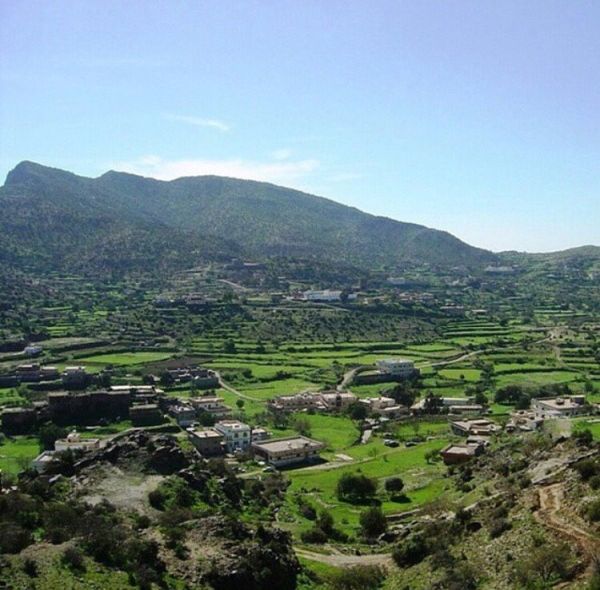
[caption id="attachment_1085" align="alignleft" width="300"]taaif Region around ʾaṭ-Ṭāʾif[/caption]

“And provide its people ‏from the fruits” i.e. its various types by creating towns near to it through which this can be attained, or by importing to it from various directions. Both interpretations have in fact been achieved. For there gathers in Makkah fruits of spring, summer and autumn at a single time. It is narrated that Allāh Most Pure commanded Jibrīl when ʾIbrāḥīm supplicated. He plucked out a region of Palestine, although some say it is Jordan. He then circled the Kaʿbah with it seven times before placing it so that it could be a means of sustaining the Sacred Precincts. That land is known today as ʾaṭ-Ṭāʾif, and it is named for having made that ṭawāf [circling]. In regards the authenticity of this , it is nothing farfetched for the All-Powerful King, Most Majestic! If you refuse to accept that this was a literal event, then the door of interpretation is wide open for you…. “from” [the fruits] indicates only some kind of fruits.


[caption id="attachment_1086" align="alignleft" width="266"]makkah Makkah[/caption]

Scholars have asked why Allāh did not simply create Makkah as a fertile, lush land. Why was the supplication so indirectly answered through the extraction of a far-off land and its placement a distance away from Makkah?

The explanation is offered that Allāh does not wish for any distraction when one worships at His House, to the extent that not even the climate or vegetation of Makkah should provide pleasant relief or distraction. A distant town was created to sustain Makkah. Travellers used to mention that when approaching ʾaṭ-Ṭāʾif, the climate suddenly changed as if one was entering a different land. For indeed that is exactly what happened. The town retained the fertile blessings of its Syrian origin. One is actually leaving Arabia and crossing into Syria, the land whose blessing Allāh describes thus:

سُبْحَانَ الَّذِي أَسْرَىٰ بِعَبْدِهِ لَيْلًا مِّنَ الْمَسْجِدِ الْحَرَامِ إِلَى الْمَسْجِدِ الْأَقْصَى الَّذِي بَارَكْنَا حَوْلَهُ لِنُرِيَهُ مِنْ آيَاتِنَا ۚ إِنَّهُ هُوَ السَّمِيعُ الْبَصِيرُ

Pure is He who took His Slave by night from ʾal-Masjid ʾal-arām to al-Masjid al-ʾAqṣā, whose surroundings We have blessed, to show him of Our signs. Indeed, He is the Hearing, the Seeing. [ʾal-ʾIsrā: 1]

ʾal-ʾAlūsī (رحمه الله) further highlights this insistence on lack of distraction when he states that ʾIbrāhim (عليه السلام) asked for some kinds of fruits to come to Makkah, not all kinds.

Some mystics go further by pointing out that it is beneficial that Allāh’s Messenger (صلى الله عليه و سلم) rests in a different city. One can focus on one’s love for him whilst visiting ʾal-Madīnah, and focus on Allāh’s House when visiting Makkah.

Whatever the case, let alone the Muslims, even pagans understood that Makkah should by definition be a city of sanctity and simplicity dedicated to worship. The ethos implied in the creation of ʾaṭ-Ṭāʾif incident was maintained for millennia. Every people who ruled Makkah, maintained its sanctity according to their understanding, to the extent that in the beginning, rectangular houses were banned as an afront to the Kaʿbah and houses had to be circular. Every people understood that Makkah should have an ambience of simplicity.

This respect lasted for thousands of years but would not last forever. A people bereft of intellect and religious love seized the sacred cities and violated it beyond recognition, beyond what any pagan would have thought of inflicting on her.

The Satanic Saʿūdī Regime


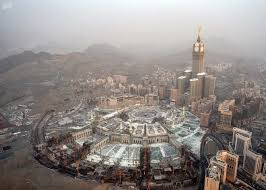
I do not know what is worse – to be amongst those who grieve when they see Makkah transformed for the first time in history to resemble the monstrosity of some American city, or to be amongst those who are so dead inside that they could not care in the least that the city of ʾIbrāhīm (عليه السلام), the city of Muḥammad (صلى الله عليه و سلم), the city of the sacred Companions (رضي الله عنهم) has been systematically bulldozed away by the servants of the Anti-Christ. A thousand examples can be cited in regards the blinkers Muslims happily wear in this regard. We proudly tout our intellectual credentials and advise non-Muslims that the first revelation of the Qurʾān stated, “Read!” Does your brilliant intellect deny you any feelings of ghayrah, religious emotion, at the fact that the house where Muḥammad (صلى الله عليه و سلم) went to straight to after that revelation is today a toilet? Is your heart so dead? Certainly demolition and transformation happened before in Makkah, of necessity. Yet none but a most vile liar can deny the intentional and systematic erasure of Islām’s history at the hands of this Satanic regime. The toilet could not be built anywhere else? Instead of visiting the home of our Mother, Khadījah (رضي الله عنها), praying for her in partial payment of the immense debt we owe her, and perhaps shedding a tear in memory of how Allāh’s Messenger (صلى الله عليه و سلم) loved her, we defecate and urinate over her home. Would the even the Christians and Jews show such disrespect to their sacred personalities?


We perform a ritualised version of the pilgrimage, far from the spirit of the Farewell Pilgrimage or the event during which previous generations used to learn, teach and discuss the affairs of the Muslims. How nauseating that even scholars and activists return with nothing to discuss but which hotel did they stay at, how the flight was, their amazing shopping experiences etc. Nobody thinks that there is something wrong with this scene, different to the Makkah and the pilgrimage of every other generation before us? Allāh have mercy! The Satanic Saʿūdī regime has deliberately engineered this sanitised version of the pilgrimage and delight at our ignorance and downright apathy.

Nobody ponders over the amazing incident and system that Allāh created to keep Makkah distraction free; a system which was maintained throughout history. One should cringe at the very least, and weep if you have a heart, and wonder why is it that we are the first generations ever to witness the breakdown of that system. Why?

A friend proudly showed me a picture of the Kaʾbah taken from the monstrous “Makkah Royal Clock Tower”. My poor sincere but not understanding friend. I had to explain how wrong it is. The Kaʾbah is supposed to be the focus of Makkah. Now it is but a speck which Saʿūdī monstrosities dwarf from the sight and hearts of Muslims. His picture encapsulated the least evil of the Satanic Saʿūdī regime – the destruction of the ancient sacred atmosphere of Makkah and its replacement with some alien demonic civilisation’s ideals; and yet I believe that this is amongst the lesser crimes of these Satanists.

سليمان الكندي

@sulayman_kindi

Addendum: Explantion on terms Syria, Palestine & Jordan


Tuesday, 16 July 2019

Ulama finally awake to Durban Masonic Cult

Almost six years ago I had written two articles against the Satanism spreading in Durban which a supposedly Islamic publication had advertised for.

https://kindi313.wordpress.com/2013/10/14/alert-zuhur-jewish-masonic-infiltration-of-islam-12/

https://kindi313.wordpress.com/2013/10/14/alert-zuhur-jewish-masonic-infiltration-of-islam-22/

I wrote to the various jamiats in South Africa and others. No response.

Five years later a Durban scholar phoned me, he is on his way to a meeting with people leaving Islam for this cult, what should he say! The cult is spreading!

I'm supposed to be clued up to answer in minutes what they had ignored in their backyard for five years. Really!

Now six years later Durban ulama have finally published a warning which I reproduce below. I am not overly impressed with the timing, but may Allah reward them.

سليمان الكندي

@sulayman_kindi


From: Jamiatul Ulama KZN <newsletter@jamiat.org.za> 
Sent: 15 July 2019 05:31


A Satanist Cult disguised as Deen


Based on several cases which some Ulama in Durban and surrounding areas have had to deal with and treat in the recent past, it is necessary to draw the attention of the public to a Satanic Cult preying on Muslims. This cult has elements of Satanism, Kabala (Jewish witchcraft), Free-masonry and Shiasm as its underpinnings. 


The outer façade which this cult uses to draw the unwary into its clutches is the appearance of a Deeni and holy atmosphere. It preys primarily on Muslim women, and manipulates their soft nature. Some of the catch phrases used to get the unguarded individuals interested are:


  • Its time to find your true purpose and meaning in life

  • Your spirit is calling for a revolution and rebirth

  • You need to link to the Law of the Universe and the secrets of the Taurah

  • You need a Muslim life coach to help you along this journey


On the surface, these appear to be very innocent and well-meaning. 


“Islamic Fashion” is employed as a malevolent promotional tool. As a Trojan horse, the cult uses Durood programs to ensnare the gullible into their circles. Members are initially prescribed some forms of Zikr in order to make them feel that they are progressing in the Islamic pathway. 


(Note: Salawaat upon Nabi Sallallahu alayhi wa sallam, referred to as Durood in Urdu, is a highly meritorious act of Ibaadah. There is sufficient guidance from Quráan and Sunnah as to the significance and method of this indispensable aspect of Deen. Muslims are in no need of some “new guidance” in this regard. See Fazail Durood for more details).


Muslim radio stations have, negligently or unwittingly, given this cult promotional airtime. Hence their reach has expanded. 


Once individuals show interest, they are invited to “spiritual retreats”, often held at exotic overseas tourist locations. Women mostly travel alone, without a Mahram, where they are easily brainwashed. 


Women who become suspicious and start to question the workings of the cult are, as typical with all cult movements, made to feel guilty. They are run down as being judgemental and “influencers” (a term used in social media) make them feel uncomfortable to the point that they start doubting themselves. 


As the members progress in the cult, they are advised to study these books:


·         The Kybalion (author unknown)


·         A Celestine Prophecy, by James Redfield


·         The Secret, by Rhonda Bryne


·         The Magic, by Rhonda Bryne


·         The Power of Kabalah, by Yehuda Berg


Some of the books prescribe daily mental exercises, which members are required to diligently follow. From the patients treated, it was discovered that the effect of these exercises is psyche-capture and mind-control over the initiates. 


Followers are urged to give up being in Purdah, and then to advertise this on social media platforms, where other cult members laud praise on this Rubicon of “emancipation”. 


After being led through many phases and layers within this cult, the ultimate book which is prescribed is “Al Zuhur”, also referred to as “The Book of Enlightenment”. Its author is described as “Nur Muhammdiyah”. It is referred to as a “Book of Allah”, which unravels the secrets of the Taurah. 


The final straw is when members of the cult sell their souls to Shaytaan and begin making sacrifices for him. 


The Deen of Allah Ta’ala is perfect and complete. In a Hadith, Rasulullah Sallallahu alayhi wa sallam said:


قد تركتكم على البيضاء ليلها كنهارها لا يزيغ عنها بعدي إلا هالك


I have left you on such a pathway which is clear and bright, its day is like its night (there are no hidden dark corners or mysteries). After I have gone, no one will divert from (this pathway) except that he will be destroyed. (Sunan Ibn Majah)


All the spiritual enlightenment we need is found in Quráan and Sunnah. There is absolutely no need to resort to other ideologies and newly introduced methods of spiritual progress. As a simple rule of thumb, if the promoters of any ideology cannot trace it back to Quráan and Sunnah, then stay far away from it even at the expense of losing one’s life. A Muslim is willing to lose his/her life, but not his/her Imaan.  


May Allah Ta’ala guide us all and protect us from the clandestine trappings of Shaytaan, Ameen.


Jamiatul Ulama (KZN)
Council of Muslim Theologians

223 Alpine Road, Overport
Durban, South Africa


Tel : +27 (0) 31 2077099
Fax : +27(0) 31 2074163
Website : www.jamiat.org.za